
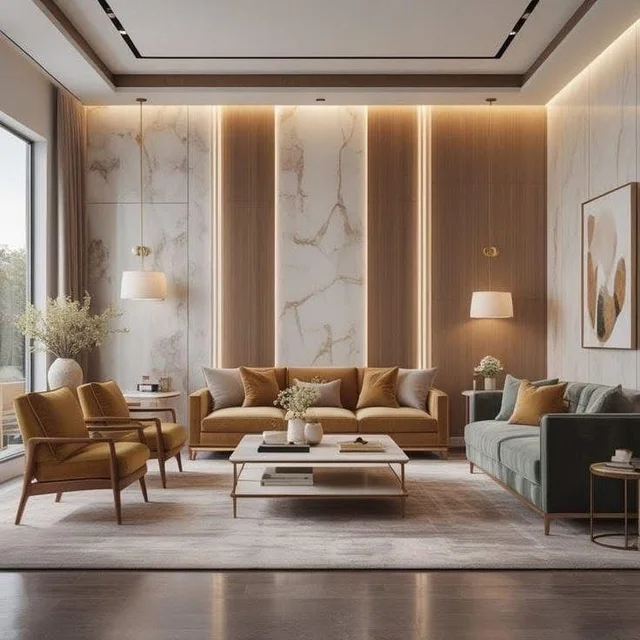
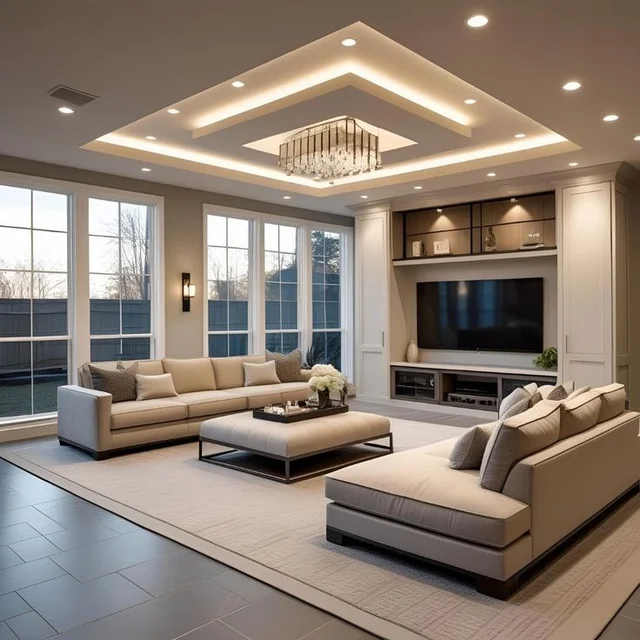
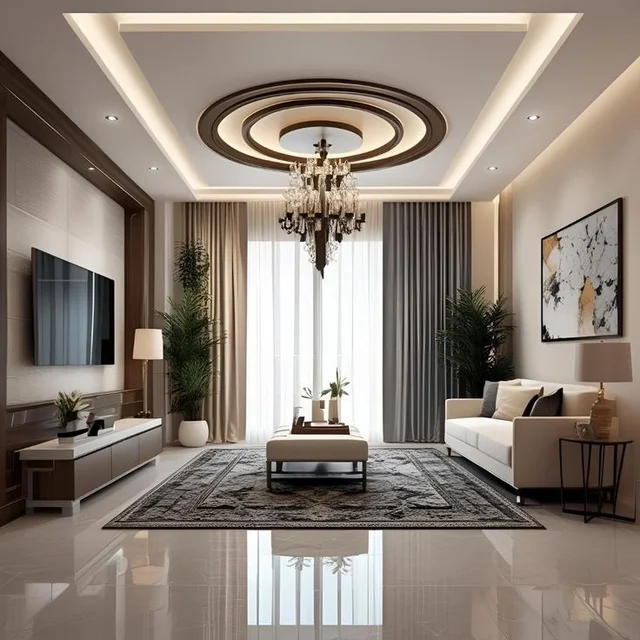
Interior Design


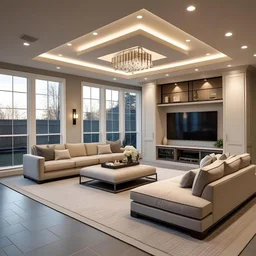
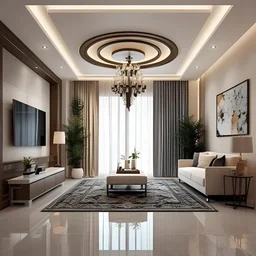
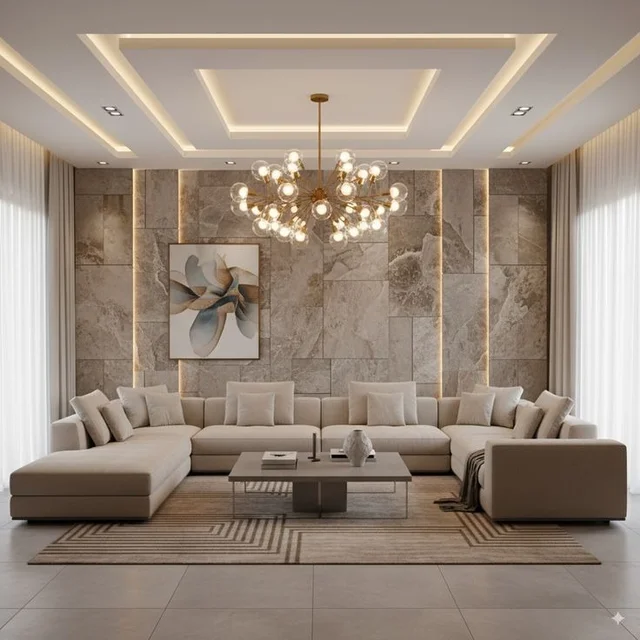
Interior design is both an art and science that focuses on enhancing the interior spaces of buildings to create environments that are functional, safe, and aesthetically pleasing for the people using them. It involves planning, researching, coordinating, and managing enhancement projects, taking into account factors such as spatial layout, lighting, acoustics, color coordination, and compliance with building codes and regulations. Interior designers often collaborate with architects, engineers, and contractors to ensure that designs meet technical and safety standards.
The profession encompasses a wide range of specializations, including residential, commercial, hospitality, healthcare, and universal design. It goes beyond mere decoration by addressing structural elements, space optimization, and sustainable design principles. Color plays a crucial role in interior design, influencing how people feel and behave in a space, with designers carefully selecting palettes to evoke desired moods and effects.
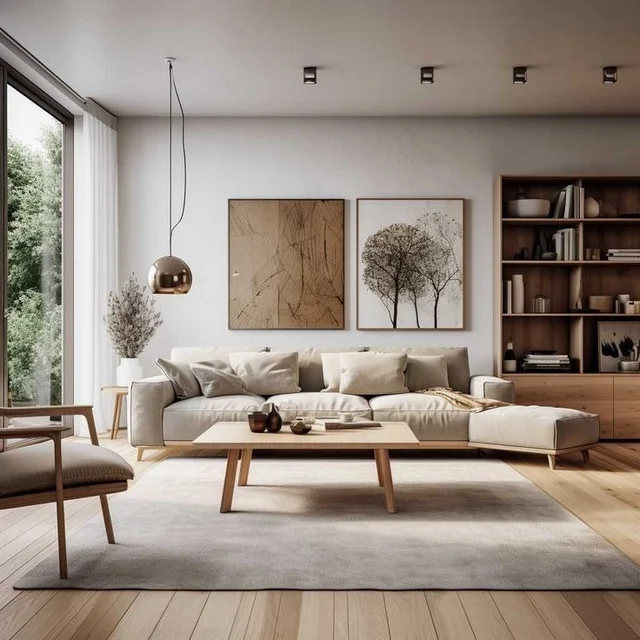
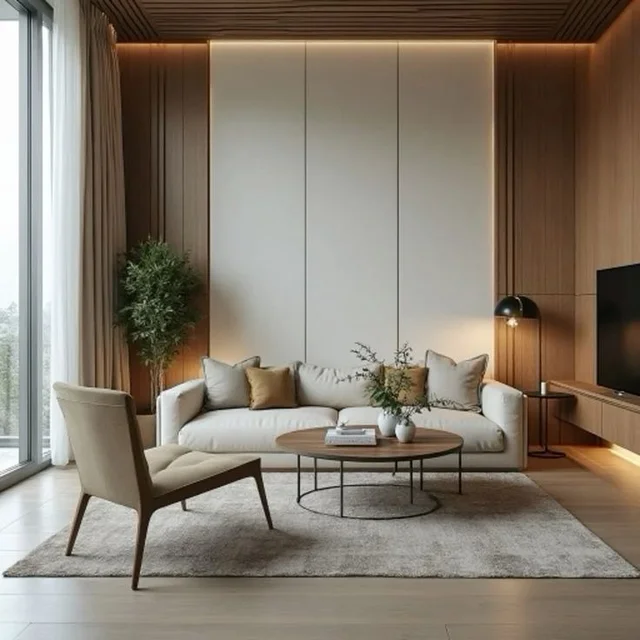
Various interior design styles exist, such as modern farmhouse, midcentury modern, maximalist, Scandinavian, farmhouse, rustic, minimalist, bohemian, and Japandi, each with unique characteristics and aesthetics. Designers often mix styles to create harmonious, personalized interiors.
Overall, interior design combines creativity with technical knowledge to improve the quality of indoor environments, making spaces more livable, enjoyable, and suited to users' needs.