




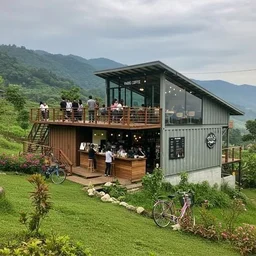
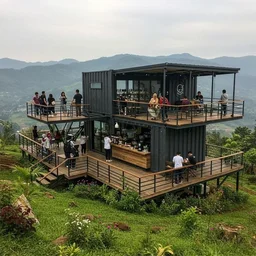



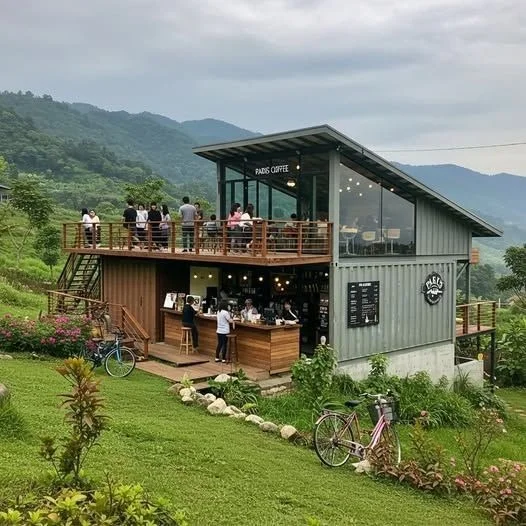
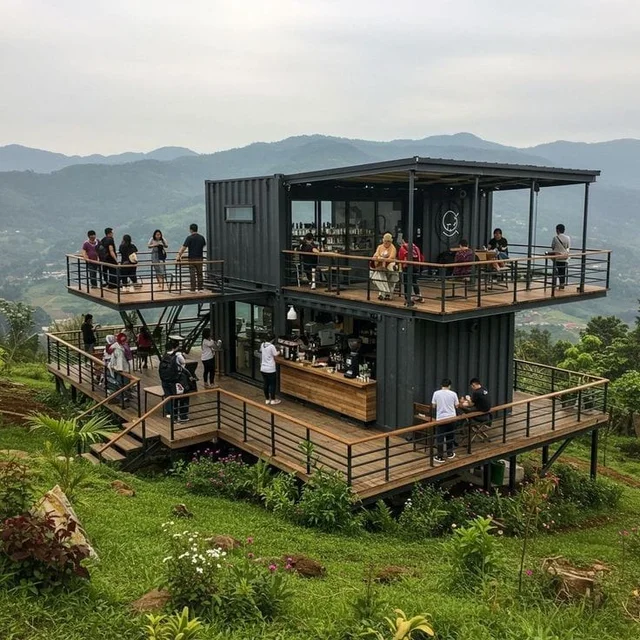
Eco Tourism


Ecotourism is a sustainable form of travel focused on visiting natural areas responsibly to support environmental conservation and local communities. It emphasizes learning, cultural respect, and minimal environmental impact.
Definition
According to The International Ecotourism Society (TIES), ecotourism is “responsible travel to natural areas that conserves the environment, sustains the well-being of local people, and involves education and interpretation”. It aims to combine recreation with conservation by fostering appreciation for the environment and promoting sustainable practices.
Core Principles
The guiding principles of ecotourism include:
-
Minimizing environmental impact by using eco-friendly infrastructure and practices.
-
Promoting awareness and education about local ecology and culture.
-
Providing socio-economic benefits for local communities through fair employment and local business support.
-
Respecting indigenous cultures, traditions, and heritage.
-
Maintaining the ecological integrity and carrying capacity of natural sites.
Benefits
Ecotourism offers multiple advantages:
-
Environmental conservation: Helps protect biodiversity, wildlife habitats, and ecosystems through funding and awareness.
-
Community development: Generates jobs and income for local people, especially in rural or marginalized regions.
-
Cultural exchange: Promotes understanding and respect between visitors and host communities.
-
Education: Enhances environmental literacy among tourists, fostering a sense of responsibility for ecological protection.
-
Sustainable growth: Encourages balance between economic progress and environmental preservation.
Examples
-
Costa Rica: A global leader in ecotourism, with national parks protecting rainforests and wildlife through sustainable practices.
-
The Galápagos Islands: Ecotourism supports strict conservation efforts for unique ecosystems.
-
India: National Strategy for Ecotourism 2022 promotes low-impact tourism in wildlife areas and uses locally sourced sustainable materials.
Challenges
Despite its benefits, ecotourism can have drawbacks when poorly managed—such as over-tourism, cultural disruption, and carbon emissions from travel—highlighting the need for strict sustainability guidelines and community involvement.
In essence, ecotourism seeks harmony between nature, culture, and people—transforming tourism into a force for conservation and sustainable development.